Antibody System Anti-EBV / HHV-4 LMP1 / BNLF1 Antibody (A4)
Overview
This monoclonal antibody specifically targets Latent Membrane Protein 1 (LMP1), a primary oncogenic protein encoded by the BNLF1 gene of Epstein-Barr Virus (EBV), also known as Human Herpesvirus 4 (HHV-4). LMP1 functions as a constitutively active, ligand-independent mimic of the tumor necrosis factor receptor (TNFR) family member CD40. By hijacking downstream cell signaling pathways—including NF-kappaB, MAPK/JNK, and PI3K/Akt—LMP1 drives B-cell transformation, promotes cell survival, and prevents apoptosis, playing a critical role in the pathogenesis of EBV-associated malignancies such as Hodgkin lymphoma, Burkitt lymphoma, and nasopharyngeal carcinoma. Generated from human hybridoma clone A4, this purified IgG1 kappa monoclonal antibody provides absolute target specificity for EBV (strain B95-8), delivering a highly reproducible and refined tool for investigating viral oncogenesis, latent infection mechanics, and targeted immunotherapies.
PRODUCT INFO
Key Features and Specifications
-
Human Monoclonal Precision: Engineered from human clone A4 to deliver native-like target interactions, highly uniform binding kinetics, and clean signal-to-noise ratios without anti-species background interference.
-
Oncoprotein Biomarker: Serves as an exceptional tool for tracking viral latency profiles, B-cell immortalization pathways, and EBV-driven oncogenic transformation kinetics.
-
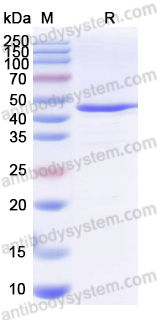
Exceptional Purity Profile: Verified at greater than 95% purity via SDS-PAGE evaluation, achieved through advanced Protein A/G affinity purification from cell culture supernatant.
-
Tailored Assay Performance: Validated and optimized for cornerstone virology setups, including Immunoprecipitation (IP) and Enzyme-Linked Immunosorbent Assays (ELISA).
-
High-Stability Liquid Matrix: Supplied at a concentration of 1 mg/ml in a ready-to-use 0.01M PBS (pH 7.4) matrix to minimize formulation interference in downstream applications.
Technical Specifications
-
Catalog No.: RVV07008
-
Host Species: Human
-
Clone ID: A4
-
Clonality: Monoclonal
-
Isotype: IgG1, kappa
-
Accession Number: P03230
-
Species Reactivity: Epstein-Barr virus (strain B95-8) (HHV-4)
-
Concentration: 1 mg/ml
-
Purification: Protein A/G chromatography
-
Form: Liquid solution
-
Storage Buffer: 0.01M PBS, pH 7.4
Alternative Names: Latent membrane protein 1, LMP-1, Protein p63, Protein p25, LMP1, BNLF1.
Applications and Recommended Dilutions
This human monoclonal IgG1 antibody is highly suited for running structural isolation, downstream interaction profiles, and quantitative antigen screens within herpesvirus latency models. Investigators should utilize the following initial guidelines:
-
Immunoprecipitation (IP): Optimized for pulling down native LMP1 protein complexes from infected or transfected cell lysates to map downstream signaling interactomes.
-
Enzyme-Linked Immunosorbent Assay (ELISA): Ideal for establishing quantitative target capture arrays or solid-phase screening assemblies.
-
Note: Optimal working dilutions must be determined empirically by the end-user according to specific sample viral loads, extraction protocols, and detection systems.
-
Shipping: Distributed under temperature-controlled conditions on blue ice or dry ice to safeguard antibody binding integrity upon arrival.
-
Handling: Ready for immediate use. To minimize structural degradation or contamination risks, it is highly recommended to dispense the liquid solution into single-use working aliquots upon initial receipt.
-
Storage Framework:
-
Short-Term: Store at 4 degrees Celsius for up to 1 to 2 weeks.
-
Medium-Term: Store at -20 degrees Celsius for up to 12 months from the date of receipt.
-
Long-Term: Store at -80 degrees Celsius in a manual defrost freezer for maximum long-term stability.
-
Note: Avoid repeated freeze-thaw cycles to protect the monoclonal antibody structure from performance loss.
-
-