
Antibody System Anti-DNA-RNA Hybrid Monoclonal Antibody (S9.6)
Overview
This monoclonal antibody specifically targets DNA-RNA hybrids, which are non-canonical, double-stranded nucleic acid structures that naturally occur within eukaryotic cells, particularly at genomic loci with high transcriptional activity. Forming an A/B intermediate structural conformation, a DNA-RNA hybrid leaves a displaced, single-stranded DNA segment accessible to single-stranded binding proteins. These hybrids play vital physiological roles in transcriptional regulation and are notably resistant to DNA methyltransferase activity. However, their accumulation can induce significant genomic instability, predisposing specific loci to chromosomal breakage. Dysregulation of these structures is strongly associated with various neurological pathologies; for example, mutations in the DNA-RNA helicase senataxin (SETX) are directly linked to juvenile amyotrophic lateral sclerosis type 4 (ALS4) and ataxia oculomotor apraxia type 2 (AOA2). Generated from mammalian expression systems using mouse hybridoma clone S9.6, this purified IgG2a kappa monoclonal antibody serves as the gold-standard tool for mapping R-loops, tracking transcription-replication conflicts, and investigating nucleic acid-mediated neurological diseases.
PRODUCT INFO
Key Features and Specifications
-
General Target Reactivity: Formulated and validated to recognize sequence-independent DNA-RNA hybrid structures across all biological kingdoms and experimental models.
-
R-Loop and Genomic Instability Marker: Functions as an exceptional diagnostic reagent for profiling transcription-associated mutagenesis, chromatin remodeling, and DNA repair kinetics.
-
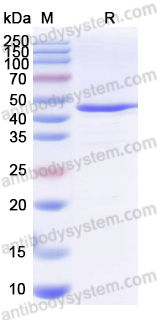
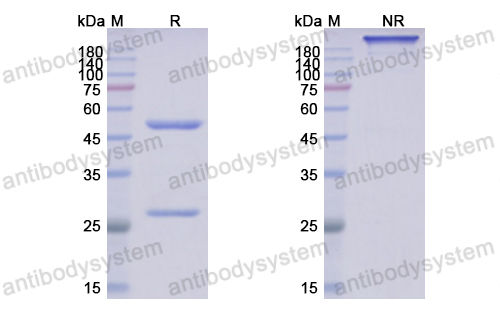
High Purity and Yield: Verified at greater than 95% purity via SDS-PAGE evaluation, achieved through advanced Protein A/G affinity chromatography from cell culture supernatant.
-
Comprehensive Multi-Assay Performance: Extensively validated across specialized nucleic acid methodologies, including Chromatin Immunoprecipitation (ChIP, ChIP-seq), Dot Blot (DB), Electrophoretic Mobility Shift Assay (EMSA), Fluorescence In Situ Hybridization (FISH), Immunocytochemistry (ICC), Immunofluorescence (IF), Immunoprecipitation (IP), and Surface Plasmon Resonance (SPR).
-
Optimized Specialty Formulation: Supplied at a high concentration of 3.82 mg/ml in a stable 100 mM Protein-Acetate (Pro-Ac), 20 mM Arginine (Arg) buffer at pH 5.0 to maintain long-term structural viability.
Technical Specifications
-
Catalog No.: RGK60001
-
Host Species: Mouse
-
Clone ID: S9.6
-
Clonality: Monoclonal
-
Isotype: IgG2a, kappa
-
Target Structure: DNA-RNA Hybrid (sequence-independent)
-
Concentration: 3.82 mg/ml
-
Expression System: Mammalian Cells
-
Purification: Protein A/G chromatography
-
Form: Liquid solution
-
Storage Buffer: 100 mM Pro-Ac, 20 mM Arg, pH 5.0
Alternative Names: Anti-R-loop antibody, DNA:RNA hybrid specific antibody, Clone S9.6.
Applications and Recommended Dilutions
This mouse monoclonal IgG2a antibody is highly suited for running quantitative tracking, spatial localization, and genomic isolation screens within transcription-replication conflict and DNA repair workflows. Investigators should utilize the following initial guidelines:
-
Chromatin Immunoprecipitation (ChIP / ChIP-seq) & IP: Highly effective for isolating and mapping endogenous R-loop loci across the genome to correlate transcriptional activity with chromosomal fragility.
-
Dot Blot (DB): Ideal for rapid, sequence-independent validation and quantification of extracted DNA-RNA hybrid fragments.
-
ICC, IF & FISH: Optimized for high-resolution spatial mapping of hybrid structures within the nucleus and at sites of dense transcriptional machinery.
-
Biophysical Assays (EMSA & SPR): Suited for determining binding constants, interaction kinetics, and protein-hybrid displacement profiles.
-
Note: Optimal working dilutions must be determined empirically by the end-user according to specific sample nucleic acid concentration profiles, enzymatic digestion protocols, and downstream sequencing parameters.
Handling, Reconstitution and Storage
-
Shipping: Distributed under temperature-controlled conditions on blue ice or dry ice to safeguard antibody binding integrity upon arrival.
-
Handling: Ready for immediate use. To minimize structural degradation or contamination risks, it is highly recommended to dispense the liquid solution into single-use working aliquots upon initial receipt.
-
Storage Framework:
-
Short-Term: Store at 4 degrees Celsius for up to 1 to 2 weeks.
-
Medium-Term: Store at -20 degrees Celsius for up to 12 months from the date of receipt.
-
Long-Term: Store at -80 degrees Celsius in a manual defrost freezer for maximum long-term molecular stability.
-
Note: Avoid repeated freeze-thaw cycles to protect the monoclonal antibody conformation from performance loss.
-
-