Antibody System Anti-Digoxin Monoclonal Antibody (26G10)
This monoclonal antibody specifically targets Digoxin, a classic cardiac glycoside extracted from the foxglove plant (Digitalis lanata). Also recognized as 12-beta-hydroxydigitoxin or by its chemical handle CAS 20830-75-5, digoxin is a widely prescribed cardiotonic agent administered to manage heart failure, atrial fibrillation, and atrial flutter. It operates mechanistically by inhibiting the sarcolemmal Sodium-Potassium ATPase pump, which increases intracellular calcium concentrations to drive positive inotropy. Because digoxin exhibits a remarkably narrow therapeutic index, slight serum fluctuations can lead to severe digitalis toxicity, necessitating rigorous drug monitoring. Notably, the antigen-binding fragments (Fab) derived from clone 26-10 serve as a clinical antidote to neutralize the drug during acute overdoses. Generated from mouse hybridoma clone 26G10, this purified IgG2a kappa monoclonal antibody delivers high-affinity, specific target recognition, making it an indispensable tool for therapeutic drug monitoring (TDM), serum clearance quantification, pharmacokinetics modeling, and high-precision antigen-antibody binding kinetic investigations.
PRODUCT INFO
Key Features and Specifications
-
Monoclonal Precision: Engineered from mouse clone 26G10 to deliver exceptionally sharp binding kinetics, low background interference, and outstanding batch-to-batch consistency for small-molecule tracking.
-
Critical Cardiotonic Biomarker: Serves as an essential analytical tool for validating therapeutic drug monitoring assays, investigating digitalis toxicity mechanisms, and running toxicological clearance profiles.
-
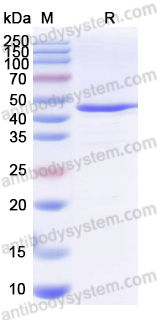
High Purity and Yield: Verified at greater than 95 percent purity via SDS-PAGE evaluation, achieved through advanced Protein A/G affinity chromatography from cell culture supernatant.
-
Comprehensive Multi-Assay Performance: Extensively validated across a wide spectrum of analytical and immunoassay platforms, including Chemiluminescent Immunoassay (CLIA), Dot Blot (DB), Enzyme-Linked Immunosorbent Assay (ELISA), Immunoprecipitation (IP), Radioimmunoassay (RIA), and Western Blotting (WB).
-
Optimized Specialty Formulation: Supplied at a high concentration of 2.19 mg/ml in a stable 100 mM Protein-Acetate (Pro-Ac), 20 mM Arginine (Arg) buffer at pH 5.0 to maintain maximum molecular stability.
Technical Specifications
-
Catalog No.: RGK23001
-
Host Species: Mouse
-
Clone ID: 26G10 (26-10#)
-
Clonality: Monoclonal
-
Isotype: IgG2a, kappa
-
Target Hapten: Digoxin (Small Molecule Glycoside)
-
Accession / Chemical Identifiers: CAS 20830-75-5, ChEBI: 4551
-
Concentration: 2.19 mg/ml
-
Purification: Protein A/G chromatography
-
Form: Liquid solution
-
Storage Buffer: 100 mM Pro-Ac, 20 mM Arg, pH 5.0
Alternative Names: Digoxin, DGX, Digoxinum, 12-beta-hydroxydigitoxin, Cardiotonic glycoside target, Clone 26-10.
Applications and Recommended Dilutions
This mouse monoclonal IgG2a antibody is highly optimized for running quantitative small-molecule tracking, competitive binding kinetics, and diagnostic assay validation panels. Investigators should utilize the following initial guidelines:
-
Immunoassays (CLIA, ELISA and RIA): Ideal for developing highly sensitive competitive inhibition setups or direct capture arrays to measure trace digoxin levels in biological fluids or quality control matrices.
-
Dot Blot (DB) and Western Blotting (WB): Validated for rapid target screening, cross-reactivity profiling, and small-molecule conjugate characterization under standard laboratory setups.
-
Immunoprecipitation (IP): Suited for isolating digoxin-bound complex fractions or investigating competitive displacement landscapes in structural biochemistry studies.
-
Note: Optimal working dilutions must be determined empirically by the end-user according to specific sample matrices, assay configurations, incubation temperatures, and signal detection machinery parameters.
Handling, Reconstitution and Storage
-
Shipping: Distributed under temperature-controlled conditions on blue ice or dry ice to safeguard antibody binding integrity upon arrival.
-
Handling: Ready for immediate use. To minimize structural degradation or contamination risks, it is highly recommended to dispense the liquid solution into single-use working aliquots upon initial receipt.
-
Storage Framework:
-
Short-Term: Store at 4 degrees Celsius for up to 1 to 2 weeks.
-
Medium-Term: Store at minus 20 degrees Celsius for up to 12 months from the date of receipt.
-
Long-Term: Store at minus 80 degrees Celsius in a manual defrost freezer for maximum long-term structural and conformational stability.
-
Note: Avoid repeated freeze-thaw cycles to protect the monoclonal antibody structure from activity loss.
-
-