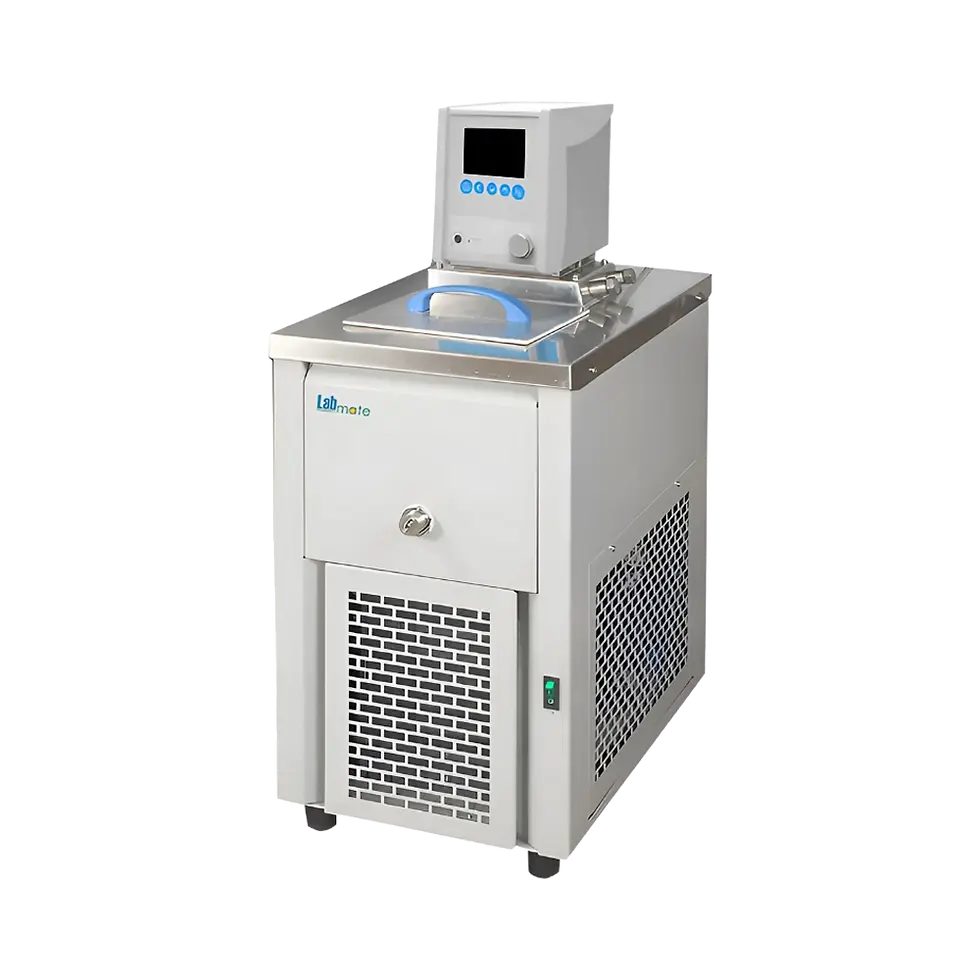
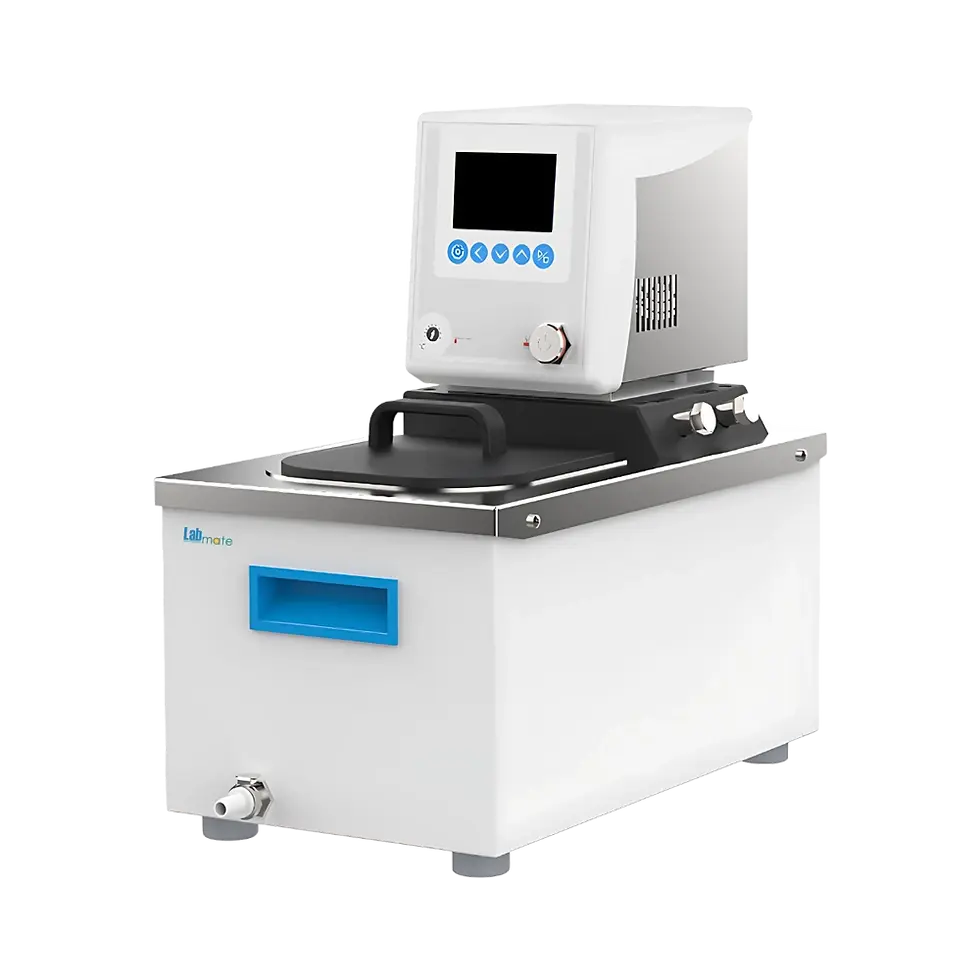
Labmate Cryogenic Trap LMCGT‑A100
Experience unparalleled cryogenic trapping efficiency with the Labmate Cryogenic Trap LMCGT‑A100, now available through winselluma. As an authorized distributor, winselluma is committed to providing high-quality scientific equipment tailored to your research needs. The LMCGT‑A100 ensures superior performance in capturing condensable vapors, enhancing your laboratory's productivity and accuracy. Trust winselluma for reliable products and exceptional customer service, supporting your scientific innovations with integrity and expertise.
Product Info
Labmate Cryogenic Trap LMCGT‑A100
Product Overview
The Labmate Cryogenic Trap LMCGT‑A100 is a high‑performance cold vapor capture system designed to protect vacuum pumps and enhance the efficiency of vacuum processes by condensing and trapping vapors and gases before they reach sensitive equipment. Featuring a 6.8 L internal tank and deep cooling capabilities down to −40 °C, this cryogenic trap uses an energy‑efficient air‑cooled refrigeration system for stable, quiet performance. Its rugged build, digital temperature control, and convenient features make it ideal for rigorous laboratory and industrial vacuum applications.
Key Features
-
Deep Cooling Capability: Reaches temperatures as low as −40 °C for efficient vapor condensation and protection of downstream systems
-
Large Internal Capacity: 6.8 L tank volume allows for extended trapping without frequent service
-
Air‑Cooled Refrigeration: Uses a 400 W R404A system for reliable, energy‑efficient cooling
-
Digital PID Temperature Control: Precise set‑and‑monitor control with real‑time feedback
-
Safety Protections: Includes delayed compressor start, leakage protection, over‑current and over‑voltage safeguards
-
Transparent Cover: Allows convenient observation of internal conditions
-
Remote Monitoring & Connectivity: RS‑485 and USB interfaces enable data logging and remote control
-
Integrated Drain Valve: Simplifies maintenance and liquid discharge
Applications
The Labmate Cryogenic Trap LMCGT‑A100 is suited for demanding vacuum system environments, including:
-
Condensing vapors in vacuum drying and freeze‑drying processes
-
Protecting vacuum pumps in mass spectrometry, electron microscopy, and analytical instruments
-
Solvent vapor capture and recovery
-
Enhancing vacuum performance in pharmaceutical, chemical, and environmental laboratories
-
Industrial vacuum operations where reliable vapor trapping is essential
Technical Specifications
Specification Details Minimum Operating Temperature −40 °C Internal Tank Capacity 6.8 L Maximum Collection Amount 0.5 kg Collection Method Immersion of glass condenser Refrigeration Capacity 400 W air‑cooled R404A Cover Interface Material Transparent PC Safety Functions Delayed start, leakage protection, over‑current & over‑voltage protection Power Consumption 850 W Power Supply 115 V / 60 Hz PC Capping Diameter φ50.3 mm (3 holes) Condenser Diameter φ10 mm Internal Tank Dimension φ220 × 180 mm Overall Dimensions (W × D × H) 315 × 500 × 570 mm Net Weight Contact sales for exact value Standard Accessories
-
Power plug
-
Connection pipe
Optional Accessories
-
Custom adapters and fittings for specific vacuum configurations
Selection Guide
To help you choose the right vacuum trapping solution for your application, consider the following:
1. Operating Temperature Needs
-
If you require extremely low temperatures (e.g., ≤ −40 °C) for efficient condensation of volatile vapors, the Labmate Cryogenic Trap LMCGT‑A100 delivers deep cooling performance.
-
For general purpose vapor capture above −40 °C, a standard cold trap (e.g., Labmate Cold Trap LMCDT‑A100) may suffice.
2. Capacity & Throughput
-
LMCGT‑A100 offers a large internal tank for extended operation and high collection capacity, ideal for heavy vapor loads.
-
Smaller traps are more suited to lighter vacuum applications or occasional use.
3. Monitoring & Control
-
Choose units with digital controls and connectivity (e.g., USB/RS‑485) if remote monitoring or data logging is important.
-
Simpler mechanical units are adequate where basic temperature control is sufficient.
4. Vacuum System Integration
-
Check interface compatibility (e.g., KF25 or other fittings) with your vacuum pump, freeze dryer, or analytical instruments to ensure seamless connection and minimal custom adapters.
5. Mobility & Footprint
-
Consider available bench space and mobility needs; larger cryogenic models may require more laboratory space.
-